
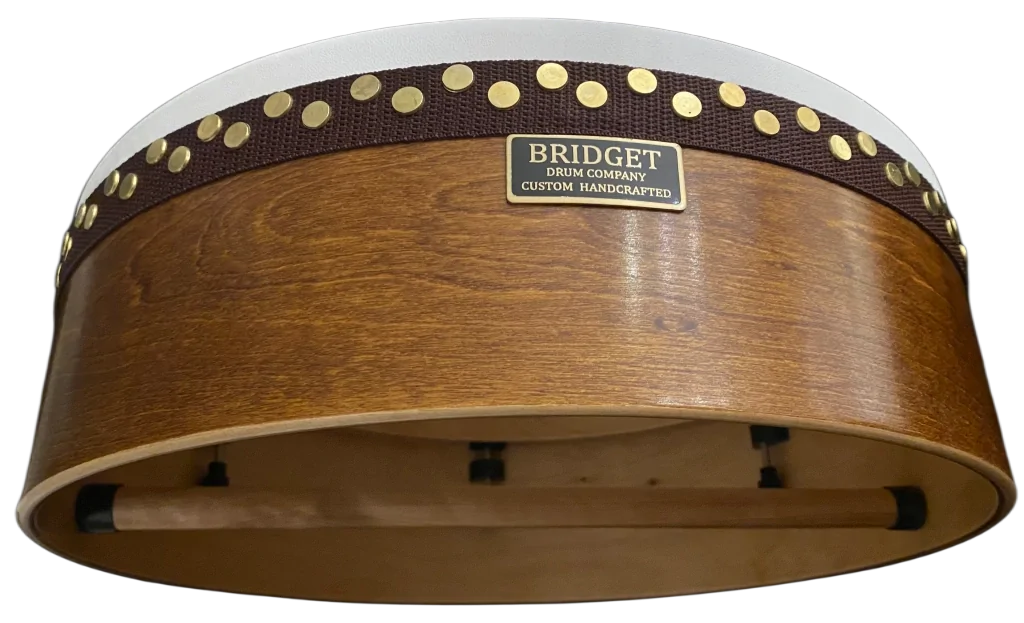
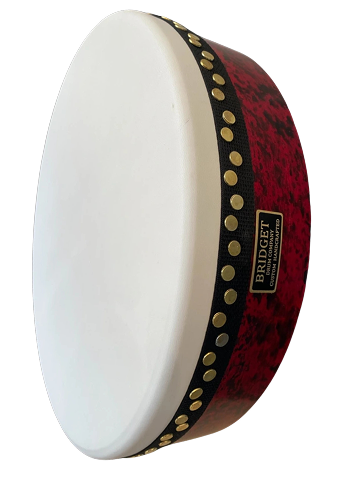
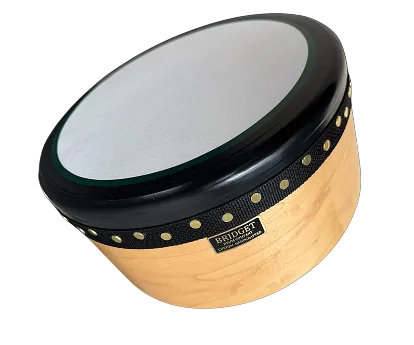
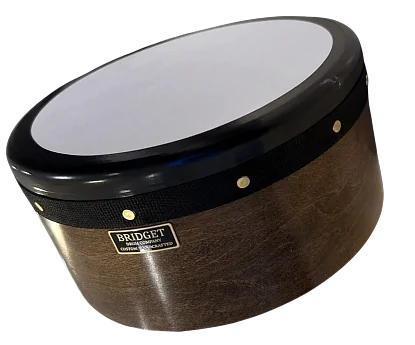
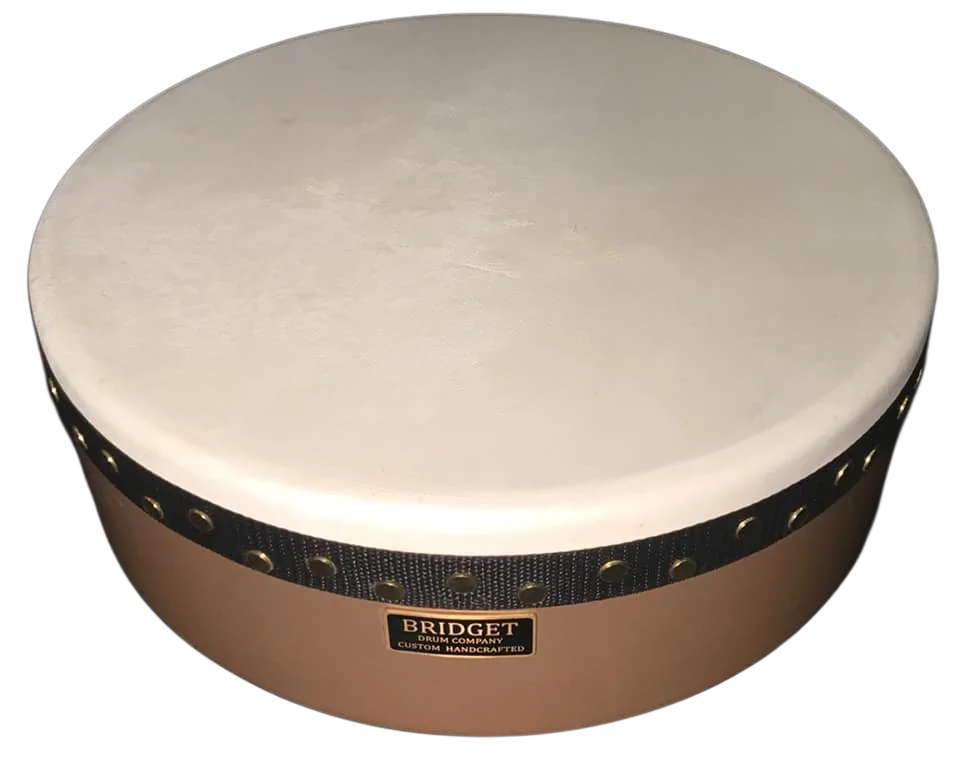
The Celtic Hand Drum is one of the most recognizable instruments in traditional Irish and Celtic music. Known for its deep, rhythmic pulse and expressive playing style, it has been used for generations to accompany folk songs, dance tunes, and cultural celebrations. While many people associate Celtic hand drums with the Irish Bodhrán, there are several variations and playing styles that contribute to the rich heritage of Celtic percussion.
Whether you’re a beginner exploring traditional music or an experienced musician looking for the perfect drum, understanding the history, types, and sound characteristics of Celtic hand drums can help you make an informed choice.
The History of the Celtic Hand Drum
The origins of the Celtic hand drum are closely tied to the history of the Bodhrán, a frame drum that has become a symbol of Irish traditional music. Historical evidence suggests that frame drums have existed across Europe, the Middle East, and Asia for thousands of years. In Ireland, similar drums were originally used for practical purposes such as agricultural work and community gatherings before evolving into musical instruments.
The modern Bodhrán gained widespread popularity during the Irish folk revival of the 1960s and 1970s. Since then, it has become a central part of traditional Irish ensembles, often accompanying fiddles, flutes, uilleann pipes, and acoustic guitars. Today, skilled drum makers continue to refine traditional designs while preserving the craftsmanship that makes each instrument unique.
For more information on Irish traditional music and its cultural significance, the Irish Traditional Music Archive offers valuable educational resources.
Types of Celtic Hand Drums
Not all Celtic hand drums are the same. Understanding the different styles can help you select the instrument that best suits your musical goals.
Traditional Bodhrán
The Bodhrán is the most common Celtic hand drum. It features a circular wooden frame with a goatskin drumhead stretched across one side. Traditionally played using a double-ended stick called a tipper, the Bodhrán produces a wide range of tones and dynamic rhythms.
Tunable Bodhrán
Modern tunable Bodhráns include an internal tuning system that allows players to adjust the drumhead tension. This feature is particularly useful in changing climates, where humidity can affect the skin’s responsiveness and pitch.
Deep Shell Bodhrán
Deep shell designs provide greater resonance and a fuller low-end response. These drums are often preferred by performers seeking a powerful presence in live settings.
Lightweight Session Bodhrán
Designed for comfort and portability, lightweight models are popular among musicians who regularly attend traditional music sessions and festivals.
Understanding Celtic Hand Drum Sounds
One of the reasons the Celtic hand drum remains so popular is its remarkable tonal versatility. Unlike many percussion instruments that produce a single dominant sound, a well-crafted Bodhrán can create a broad spectrum of tones.
Bass Tones
By striking near the center of the drumhead, players can produce rich, deep bass notes that provide the rhythmic foundation of a tune.
Midrange Rhythms
Playing slightly off-center generates balanced tones that work well for steady accompaniment in traditional music.
Sharp Accents
Near the rim, the drum produces brighter and more defined sounds that add texture and rhythmic detail.
Dynamic Pitch Control
A distinctive feature of Bodhrán playing is the use of the non-playing hand against the inside of the drumhead. By applying varying pressure, players can subtly change pitch and resonance while performing, creating expressive rhythms that are uniquely Celtic.
How to Choose the Right Celtic Hand Drum
Selecting the right Celtic hand drum depends on your experience level, playing style, and performance needs.
Consider the Drumhead Material
Natural goatskin remains the traditional choice because of its warm tone and authentic character. Each skin is unique, contributing to the individuality of the instrument. Synthetic heads offer greater consistency and are less affected by environmental conditions, but many traditional players prefer the sound and feel of natural skin.
Decide Between Fixed and Tunable Models
For beginners, a quality fixed-head drum can provide excellent value and a traditional playing experience. However, musicians who perform regularly may appreciate the flexibility of a tunable system, especially when traveling or playing in different climates.
Choose the Right Size
Most Bodhráns range between 14 and 18 inches in diameter. Larger drums generally produce deeper bass tones, while smaller drums tend to be more responsive and easier to control.
Evaluate Craftsmanship
The quality of the frame, drumhead, and overall construction significantly impacts tone and durability. Handmade instruments often provide superior balance, resonance, and attention to detail compared to mass-produced alternatives.
Think About Your Musical Goals
If you’re interested in traditional Irish sessions, a versatile medium-sized Bodhrán is often an excellent starting point. Players focused on stage performances may prefer deeper shells and advanced tuning systems for greater tonal control.
Caring for Your Celtic Hand Drum
Proper care helps preserve sound quality and extends the life of your instrument. Store your drum in a stable environment away from excessive heat, cold, or moisture. Natural skin drumheads are particularly sensitive to humidity changes, making protective cases and proper storage important investments.
Learning basic maintenance techniques can also help you keep your drum performing at its best. Educational resources from organizations such as Comhaltas Ceoltóirí Éireann provide valuable insights into traditional Irish music and instruments.
Final Thoughts
The Celtic hand drum remains one of the most expressive and culturally significant instruments in traditional music. From its historical roots in Ireland to its modern role on stages and in music sessions around the world, the Bodhrán continues to captivate musicians with its unique sound and versatility.
By understanding the history, types, and tonal characteristics of Celtic hand drums, you can confidently choose an instrument that matches your playing style and musical aspirations. Whether you’re a beginner or a seasoned performer, investing in a well-crafted handmade drum will provide years of musical enjoyment and a deeper connection to Celtic tradition.