
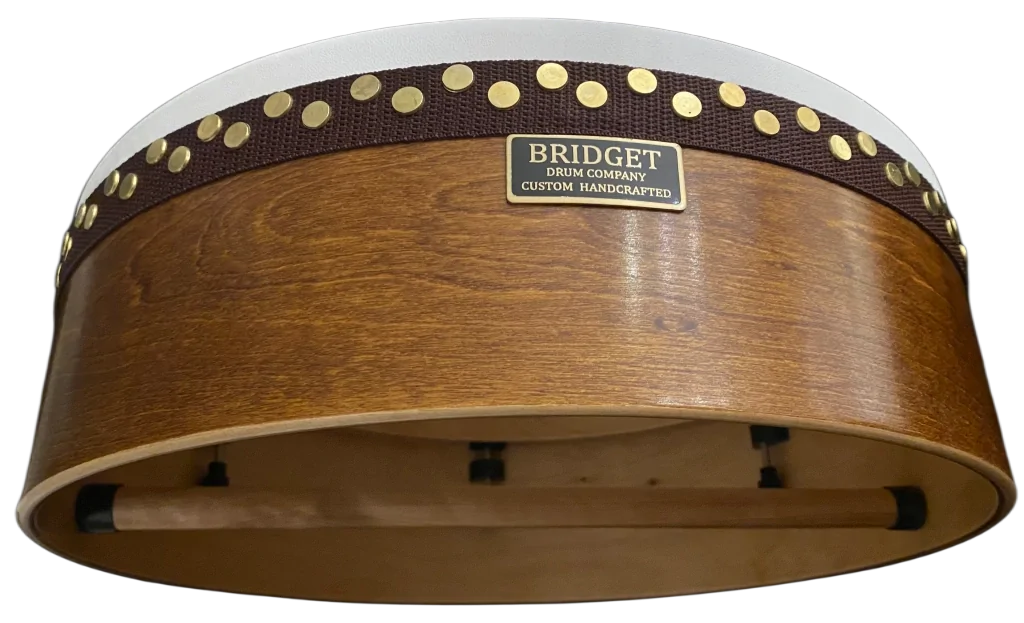
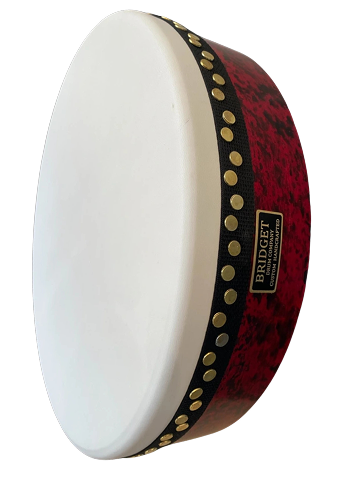
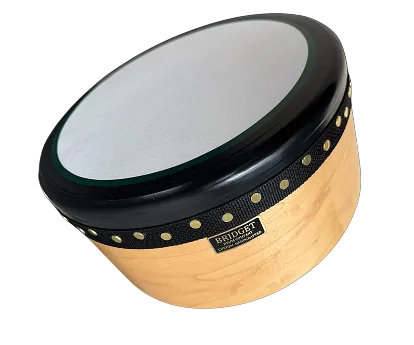
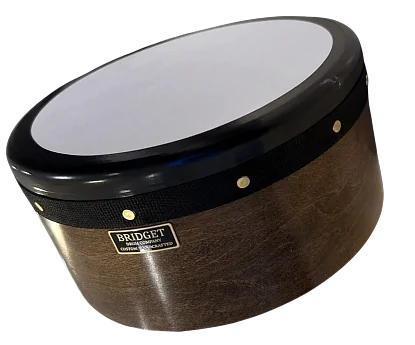
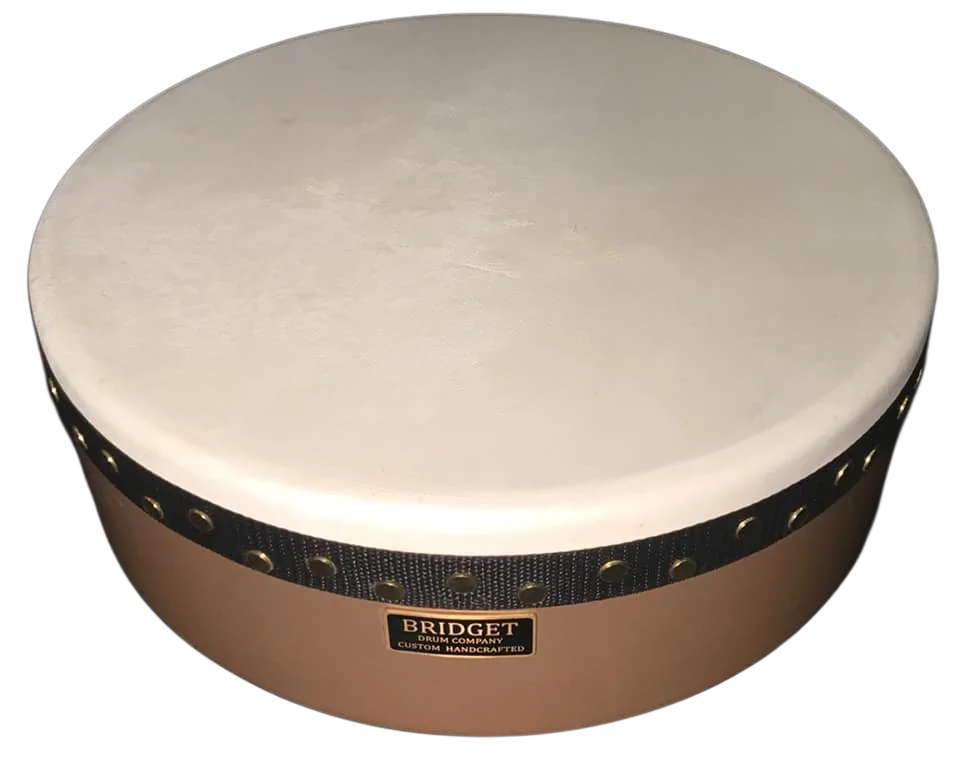
Across folk clubs, festival stages, and pub sessions throughout the UK, the bodhrán is becoming an increasingly familiar presence. While the instrument remains deeply connected to Irish traditional music, its influence now extends far beyond Ireland’s borders. Today, the bodhran in Great Britain is no longer a niche sight reserved for Celtic music enthusiasts; it has become a valued part of the broader folk landscape.
From the bustling atmosphere of Celtic Connections in Glasgow to intimate folk gatherings in Yorkshire and Cornwall, musicians are embracing the bodhrán for its rhythmic versatility, portability, and ability to enhance acoustic performances without overwhelming them. As Britain’s folk scene continues to evolve, the bodhrán is finding a place alongside fiddles, melodeons, guitars, whistles, and concertinas in both traditional and contemporary settings.
Why the Bodhran Is Gaining Popularity in Great Britain
The growing popularity of the bodhran in Great Britain reflects wider trends within the folk music community. Over the past decade, interest in traditional and roots music has experienced a resurgence, particularly among younger musicians seeking authentic acoustic sounds and cultural connections.
Folk festivals continue to attract large audiences, while local sessions provide opportunities for musicians of all levels to learn and perform together. In these environments, the bodhrán offers something unique: a dynamic rhythm instrument capable of supporting tunes without dominating them.
Unlike a full drum kit, which can easily overpower an acoustic ensemble, the bodhrán allows players to add texture, momentum, and subtle accents that complement rather than compete with other instruments. This quality has made it especially appealing within Britain’s session culture.
The Role of the Bodhran in Modern Folk Sessions
Walk into a well-established folk session almost anywhere in Great Britain, and you’ll likely encounter a mixture of musical traditions. English, Scottish, Welsh, and Irish influences often blend naturally, creating a welcoming environment for instruments from across the Celtic world.
The bodhrán fits comfortably into this setting. Skilled players use the instrument to reinforce dance rhythms, support slower airs, and add energy to reels and jigs. Its flexibility allows it to adapt to different regional styles while maintaining its distinctive voice.
However, experienced session musicians often emphasise that successful bodhrán playing requires restraint as much as technique. The instrument has occasionally attracted criticism when played too loudly or without sensitivity to the group’s dynamics. This ongoing discussion highlights an important aspect of the bodhrán’s growth in Britain: musicians are increasingly recognising that effective accompaniment is about listening as much as playing.
Festivals and Communities Fueling Interest
A major factor behind the rise of the bodhran in Great Britain is the country’s thriving network of folk festivals and music communities.
Events such as Celtic Connections, the Cambridge Folk Festival, and Sidmouth Folk Festival regularly showcase performers who incorporate traditional percussion into their music. These festivals not only expose audiences to accomplished bodhrán players but also provide workshops where newcomers can develop their skills.
Beyond major events, local folk clubs and community sessions continue to play an important role. Many musicians first encounter the bodhrán through informal gatherings where experienced players are often willing to share techniques, advice, and encouragement.
The growth of online learning has further expanded access. Video tutorials, virtual workshops, and social media communities have made it easier than ever for aspiring players across Britain to begin learning the instrument.
Why Musicians Are Choosing the Bodhran
Several practical factors contribute to the instrument’s increasing appeal.
Portability
The bodhrán is lightweight and easy to transport, making it ideal for musicians who regularly attend sessions, festivals, and acoustic performances.
Versatility
Whether accompanying traditional reels, contemporary folk songs, or cross-genre acoustic projects, the bodhrán adapts to a wide variety of musical contexts.
Community Appeal
Unlike some instruments that require years of solitary practice before joining a group, the bodhrán allows beginners to participate in community music-making relatively quickly while continuing to develop more advanced techniques over time.
Challenges That Come With Growing Popularity
The rise of the bodhran in Great Britain has not been without debate.
Within folk circles, discussions about session etiquette frequently include the role of percussion. Some musicians argue that poorly controlled drumming can disrupt the flow of a session, while others view skilled bodhrán players as essential contributors to the music’s energy and character.
This debate is actually a sign of the instrument’s growing prominence. As more people take up the bodhrán, expectations around technique, listening skills, and musical sensitivity continue to evolve. Many experienced players now advocate for education and mentorship to help newcomers understand the nuances of accompanying traditional music.
The Future of the Bodhran in Great Britain
The future looks promising for the bodhran in Great Britain. As folk music continues to attract new audiences and musicians, demand for versatile acoustic instruments is likely to remain strong.
The bodhrán’s ability to bridge tradition and innovation makes it particularly well suited to the modern folk scene. While its roots remain firmly connected to Irish musical heritage, its growing presence across England, Scotland, and Wales demonstrates how traditional instruments can find new relevance in changing musical landscapes.
Conclusion
The story of the bodhran in Great Britain is one of cultural exchange, musical adaptation, and community growth. Once viewed primarily as an Irish instrument, it has become an increasingly respected part of Britain’s folk tradition. Through festivals, local sessions, workshops, and online communities, more musicians are discovering the unique contribution the bodhrán can make to acoustic music.
As interest in folk and traditional music continues to flourish, the distinctive pulse of the bodhrán seems set to remain an important part of Britain’s musical landscape for years to come.