
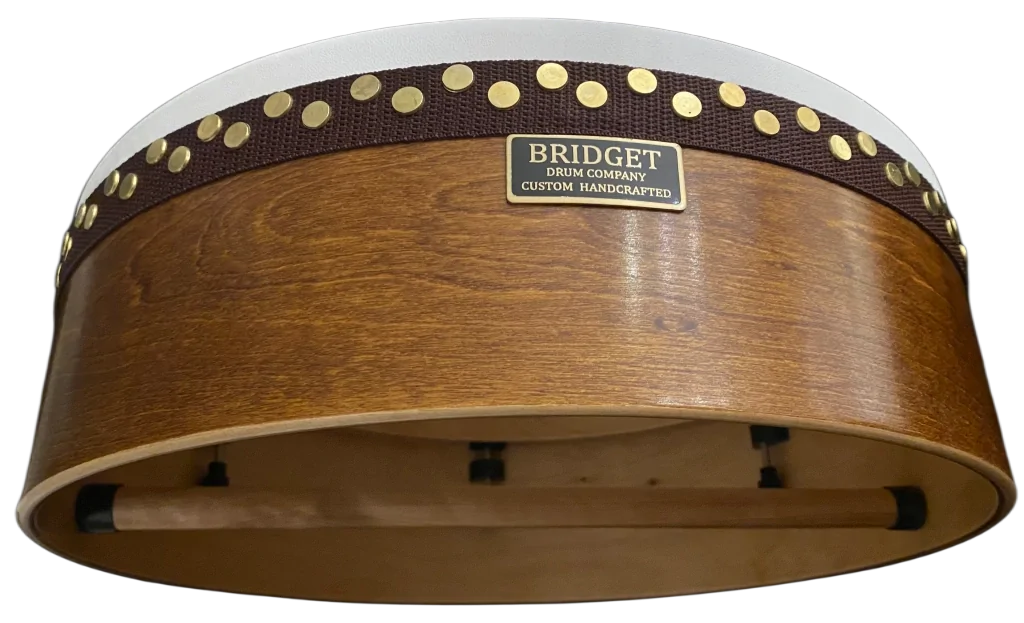
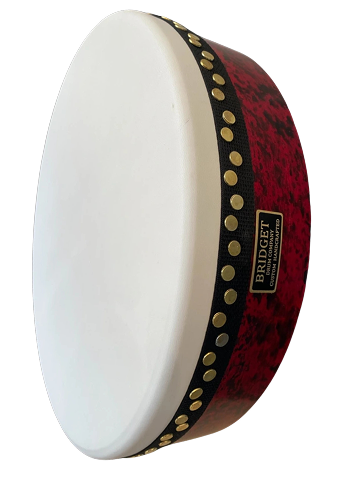
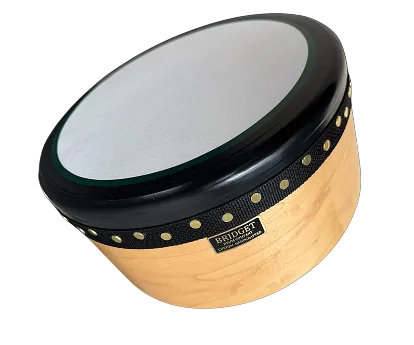
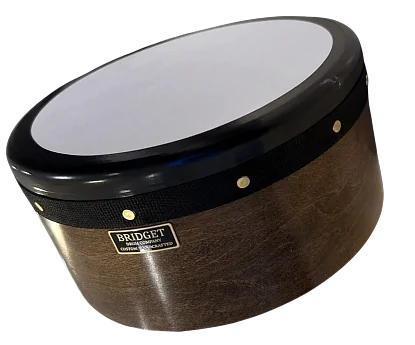
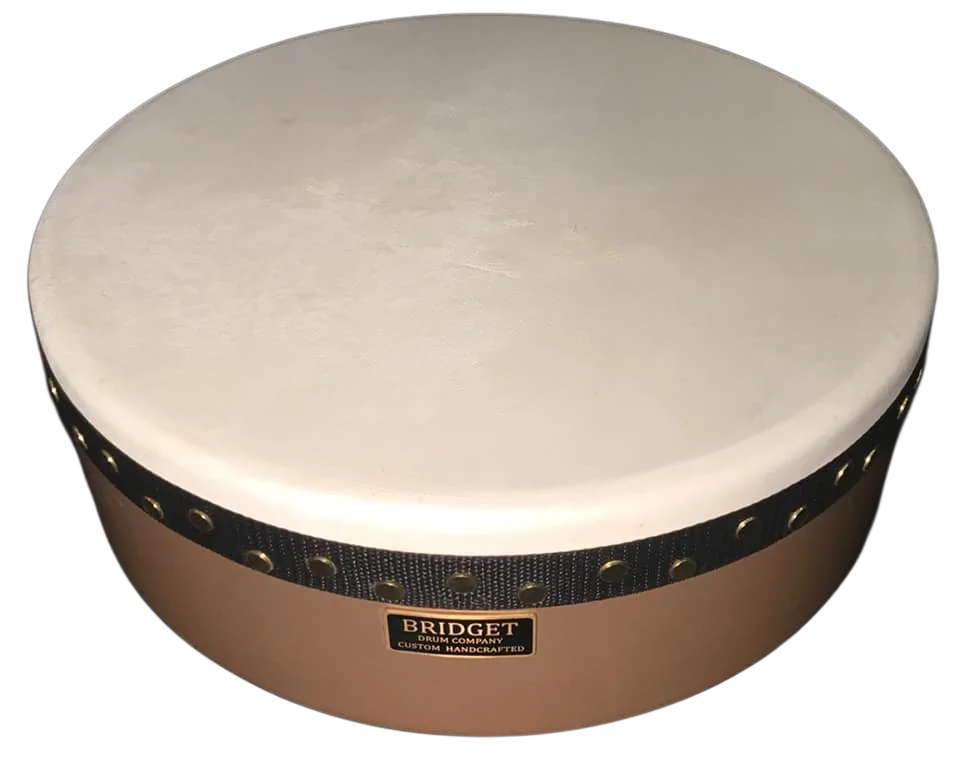
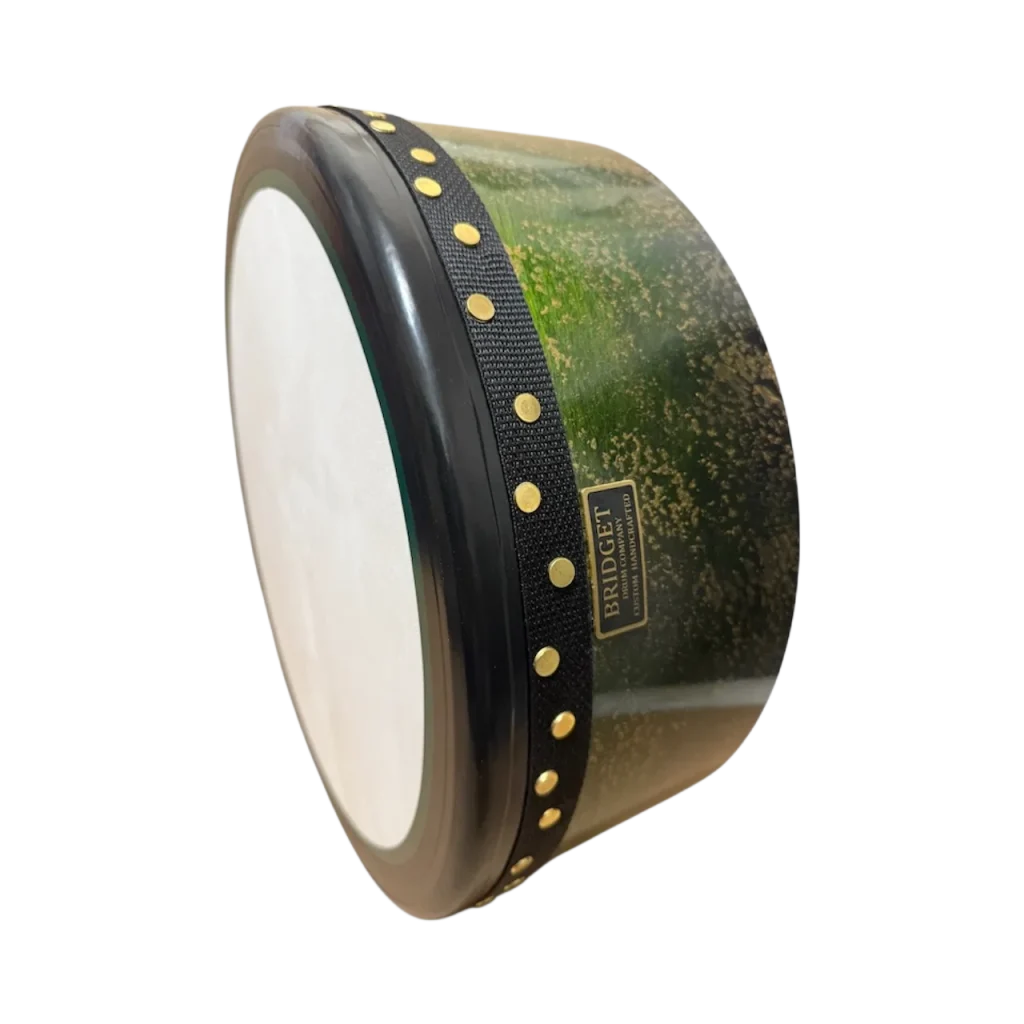
The Irish drum bodhran is recognized as one of the most distinctive musical instruments. The drum style is deeply rooted in Irish culture and traditional folk music; the bodhrán has evolved from a simple frame drum into a versatile instrument used in a wide range of musical styles. Today, it can be heard not only in traditional Irish sessions but also in contemporary folk, world music, and modern fusion performances.
Whether you are new to Irish music or looking to learn more about this fascinating instrument, understanding the history, construction, and modern role of the bodhrán reveals why it remains a favorite among musicians worldwide.
What Is an Irish Drum Bodhran?
The Irish Drum Bodhran is a handheld frame drum traditionally made from a circular wooden frame with a stretched animal skin head. It is typically played using a wooden beater known as a tipper, although some musicians use their hands for certain techniques and effects.
Most bodhráns range between 14 and 18 inches in diameter, making them portable and comfortable to play. The player holds the drum vertically against their body while controlling tone and pitch by placing the free hand against the inside of the drumhead.
This unique playing style allows for a remarkable variety of sounds, from deep bass tones to sharp rhythmic accents.
The History of the Bodhrán
The origins of the bodhrán are often debated, but it has been part of Irish musical traditions for centuries. Early versions were likely used in rural communities for celebrations, seasonal festivals, and local gatherings.
Historically, frame drums similar to the bodhrán appeared across Europe and the Middle East. Over time, the Irish version developed its own distinctive identity and became closely associated with traditional Irish folk music.
The bodhrán gained widespread popularity during the folk revival of the 1960s and 1970s. As Irish music reached international audiences, the instrument became a staple in folk bands and traditional music ensembles.
How the Irish Drum Bodhran Is Made
A quality Irish Drum Bodhran combines craftsmanship, durability, and sound quality. Key components include:
Wooden Frame
The frame is usually crafted from hardwood or lightweight plywood. Its depth affects resonance and playing comfort.
Drumhead
Traditionally made from goatskin, the drumhead gives the bodhrán its warm and authentic tone. Many modern instruments also feature synthetic heads designed to perform consistently in different climates.
Tuning System
Modern bodhráns often include internal tuning mechanisms that allow players to adjust tension and maintain sound quality regardless of humidity or temperature changes.
Crossbars or Open Back Design
Older bodhráns commonly featured crossbars for support. Many contemporary designs use an open-back construction, providing greater freedom for hand positioning and tonal control.
Traditional Roots, Modern Versatility
One reason the Irish Drum Bodhran remains popular is its ability to adapt to different musical settings.
In traditional Irish sessions, the bodhrán provides rhythmic support for instruments such as fiddles, flutes, whistles, and accordions. Its pulse helps drive reels, jigs, and hornpipes while complementing melodic instruments.
Modern players have expanded the instrument’s possibilities considerably. Today, the bodhrán is featured in:
- Contemporary folk music
- Celtic rock bands
- World music ensembles
- Acoustic singer-songwriter performances
- Experimental and fusion genres
Advanced playing techniques allow musicians to create dynamic rhythms, tonal variations, and expressive textures that go far beyond simple accompaniment.
Why Beginners Love the Bodhrán
The Irish Drum Bodhran is often recommended as an accessible entry point into Irish music. Unlike many melodic instruments, beginners can start producing enjoyable rhythms relatively quickly.
Learning the basic strokes and developing steady timing provides a strong foundation. As skills improve, players can explore more advanced techniques, including:
- Double-ended tipper patterns
- Roll techniques
- Tone modulation
- Dynamic accents
- Complex traditional rhythms
The instrument’s portability also makes it ideal for travel, practice sessions, and community music gatherings.
Choosing the Right Irish Drum Bodhran
When selecting a bodhrán, consider your experience level and musical goals. Beginners often benefit from a lightweight drum with a reliable tuning system and a comfortable frame size. Intermediate and advanced players may prefer handcrafted instruments that offer greater tonal depth and responsiveness.
Factors to evaluate include drum diameter, frame depth, skin type, tuning features, and overall build quality. A well-made bodhrán can provide years of enjoyment and musical growth.
Conclusion
The Irish Drum Bodhran beautifully bridges the gap between tradition and innovation. With its rich history, distinctive sound, and remarkable versatility, it continues to play an essential role in Irish music while finding new audiences around the world.
Whether performed in a lively Irish pub session or incorporated into contemporary musical arrangements, the bodhrán remains a powerful symbol of Ireland’s musical heritage and a dynamic instrument for modern musicians.