
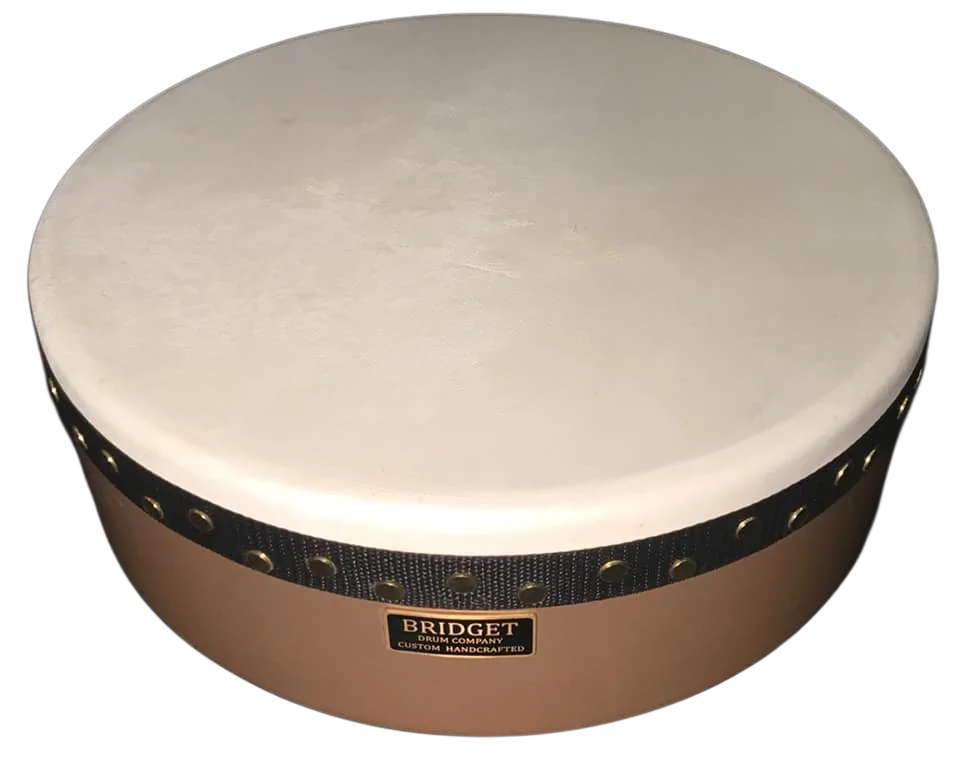
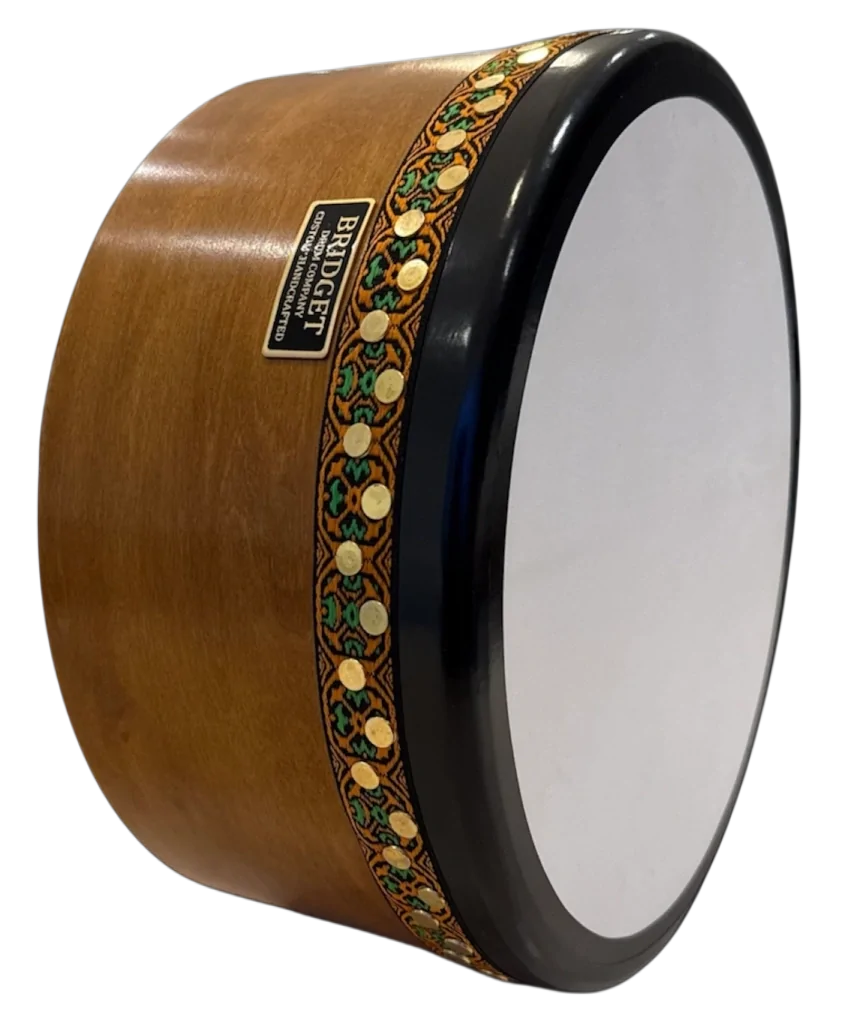
The Irish Instrument Bodhran is one of the most recognizable symbols of Irish traditional music. Known for its deep, rhythmic pulse and remarkable versatility, the bodhran has evolved from a simple folk instrument into a respected percussion tool used by musicians around the world. Whether accompanying lively jigs and reels or adding texture to contemporary folk music, the bodhran continues to play a vital role in preserving and shaping Ireland’s musical heritage.
In this article, we explore the history, unique sound, and playing style of the Irish Instrument Bodhran, along with the reasons it remains a favorite among traditional and modern musicians alike.
The History of the Irish Instrument Bodhran
The origins of the Irish Instrument Bodhran are often debated, but most historians agree that frame drums have existed in various cultures for thousands of years. In Ireland, the bodhran is believed to have evolved from simple agricultural tools such as winnowing trays, which were used to separate grain from chaff.
Traditionally, the drum consisted of a circular wooden frame covered with animal skin, most commonly goatskin. Early versions were often played during seasonal celebrations, community gatherings, and folk events. While the bodhran existed for centuries, it was not until the mid-20th century that it became a prominent part of Irish traditional music.
The folk revival of the 1960s and 1970s helped introduce the bodhran to a wider audience. As Irish music gained international popularity, musicians began incorporating the instrument into bands and performances, showcasing its rhythmic possibilities and expressive character.
Today, the bodhran is considered an essential component of many traditional Irish ensembles and is played by professionals and enthusiasts worldwide.
What Makes the Bodhran Unique?
The Irish Instrument Bodhran stands apart from many percussion instruments because of its ability to produce a wide range of tones from a single drum. Unlike drums that rely primarily on sticks and fixed tuning, the bodhran allows players to actively shape the sound while performing.
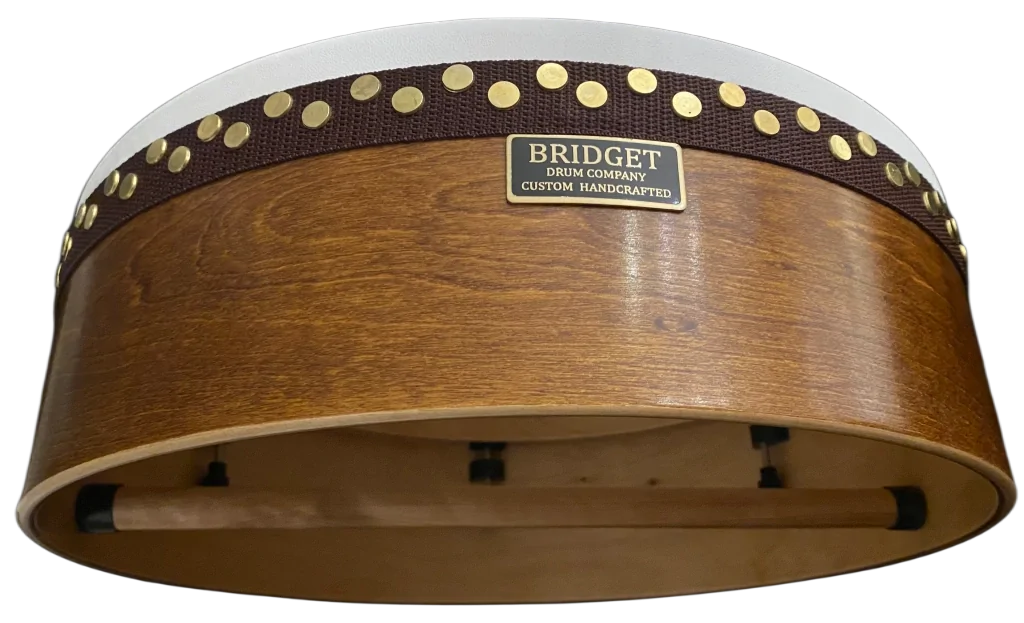
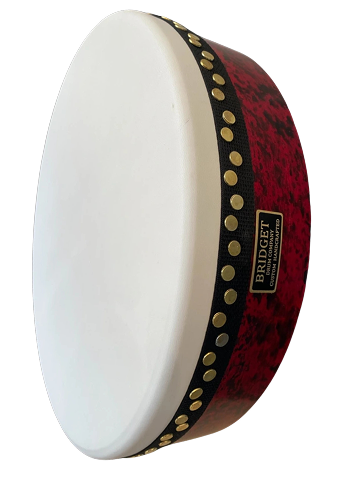
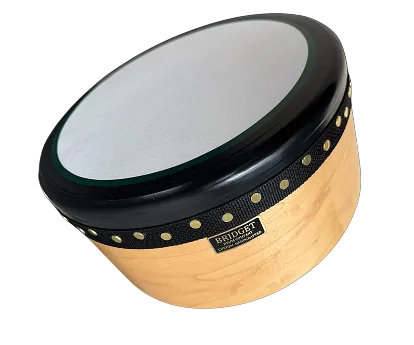
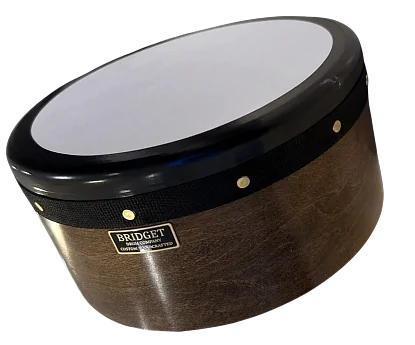
Most modern bodhrans feature:
- A wooden frame
- A natural or synthetic drumhead
- Internal tuning systems on many models
- A tipper (double-ended stick) used for striking the drum
- An open back that allows hand control of the drumhead
This design enables musicians to create both deep bass notes and higher-pitched accents, making the instrument far more dynamic than it may initially appear.
The Distinctive Sound of the Bodhran
One of the most appealing aspects of the Irish Instrument Bodhran is its rich and earthy sound. The drum serves as the heartbeat of traditional Irish music, providing rhythmic support while complementing melodic instruments such as fiddles, flutes, whistles, and uilleann pipes.
The bodhran can produce:
- Deep resonant bass tones
- Sharp rhythmic strikes
- Rolling patterns and flourishes
- Subtle tonal variations
- Dynamic accents and syncopation
A skilled player uses the hand placed inside the drum to apply pressure to different areas of the drumhead. This technique changes the pitch and resonance in real time, creating a highly expressive sound that feels almost melodic.
Because of this versatility, the bodhran is equally effective in energetic dance tunes and slower, more emotional musical arrangements.
Understanding Bodhran Playing Style
The playing style of the Irish Instrument Bodhran is what truly brings the instrument to life. Most players hold the drum vertically while striking it with a tipper. The movement of the tipper creates the primary rhythm, while the supporting hand controls tone and pitch.
Basic techniques include:
Single Strokes
Single strokes form the foundation of bodhran playing. They help establish rhythm and timing while providing a solid framework for more advanced techniques.
Double-End Tipper Technique
Most modern players use both ends of the tipper, alternating up and down movements to create smooth and continuous rhythmic patterns.
Hand Pressure Control
The hand inside the drum adjusts tension on the drumhead. This allows the player to create pitch bends, tonal shifts, and expressive effects during performance.
Rolls and Ornamentation
Advanced players often add rolls, triplets, and decorative rhythmic patterns that enhance the music without overpowering it.
Mastering these techniques takes practice, but they allow musicians to develop a highly personal playing style.
The Bodhran in Modern Music
Although deeply rooted in tradition, the Irish Instrument Bodhran has found a place in many contemporary genres. Folk, world music, acoustic ensembles, and even some rock bands have embraced the instrument for its unique character and rhythmic flexibility.
Modern bodhran makers have also introduced innovations such as adjustable tuning systems and synthetic drumheads, allowing musicians to adapt the instrument to different climates, venues, and performance needs.
Despite these advancements, the core appeal of the bodhran remains unchanged: its ability to connect players and listeners to the rich traditions of Irish music.
Conclusion
The Irish Instrument Bodhran is much more than a simple drum. Its fascinating history, distinctive sound, and expressive playing style have made it an enduring symbol of Irish musical culture. From its humble beginnings in rural Ireland to its place on international stages, the bodhran continues to captivate musicians and audiences alike.
Whether you are discovering Irish music for the first time or looking to deepen your understanding of traditional instruments, the bodhran offers a unique combination of rhythm, artistry, and cultural heritage that few instruments can match.