
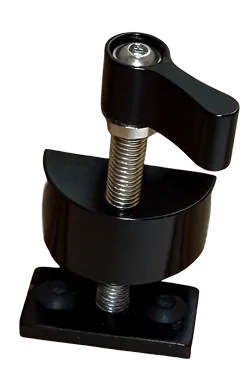
The traditional Irish bodhran drum, over the years, has evolved a lot, from being a simple frame drum, it has turned into a highly customized musical instrument. And one of the most important upgrades in its design is the addition of the tuning system. So, now a high-quality handmade bodhran drum comes with a built-in tuner feature that allows the musicians to adjust the tension, tone, and responsiveness of the drum accordingly.
So, if you are someone who is exploring bodhrans, you will likely come across two types of tuner systems in drums: standard tuners and cam tuners. While both serve the same fundamental purpose, they differ in design, ease of use, and performance flexibility.
This guide breaks down how each system works, their pros and cons, and which one might suit your playing style best.
Why Tuning Matters in a Bodhrán Drum
Before diving into tuner types, it’s important to understand why tuning is essential.
Unlike fixed-pitch percussion instruments, a bodhrán drum relies heavily on skin tension to produce its tone. Factors like humidity, temperature, and playing pressure can all affect how the drum sounds. Without a tuning system, the drum can become too loose (producing a dull tone) or too tight (resulting in a harsh, overly sharp sound).
A good tuning system allows you to:
- Maintain consistent tone in different environments
- Adjust responsiveness for various playing styles
- Improve overall sound quality and control
This is especially important for performers and serious learners who rely on tonal precision.
What Are Standard Tuners?
Standard tuners are the most common tuning system found in many bodhráns, particularly entry-level and mid-range models.
How They Work
Standard tuners typically consist of a series of bolts or screws located inside the drum frame. These bolts are connected to a ring that sits beneath the drum skin. By tightening or loosening the bolts, usually with an Allen key, you adjust the tension of the drumhead.
Key Features
- Multiple tuning points (usually 6–10 bolts)
- Internal adjustment system
- Requires a tool for tuning
- Gradual, precise tension control
Pros of Standard Tuners
1. Precise Adjustment
Because you can adjust each bolt individually, standard tuners allow for fine-tuning across the drumhead. This is useful if you want to correct uneven tension or achieve a very specific tone.
2. Reliable and Durable
Standard tuning systems are mechanically simple, making them less prone to failure. A well-built handmade bodhran with standard tuners can last for years with minimal maintenance.
3. More Affordable
Bodhráns with standard tuners are generally more budget-friendly, making them ideal for beginners or casual players.
Cons of Standard Tuners
1. Slower to Adjust
Since tuning requires a tool and manual adjustment of multiple bolts, it can be time-consuming, especially during live performances.
2. Less Convenient Mid-Session
If the drum goes out of tune due to humidity or heat, making quick adjustments isn’t always practical.
What Are Cam Tuners?
Cam tuners are a more modern and advanced tuning system, often found in higher-end bodhráns.
How They Work
Instead of individual bolts, cam tuners use a lever-based mechanism (cams) that adjusts the tension of the drumhead simultaneously. By turning or pressing the cam system, the internal ring tightens or loosens evenly across the entire drum.
Key Features
- Tool-free tuning
- Quick adjustment via levers
- Even tension across the drumhead
- Typically built into premium models
Pros of Cam Tuners
1. Fast and Easy Tuning
Cam tuners allow you to adjust your bodhrán drum in seconds, no tools required. This is a major advantage for live performers.
2. Consistent Tension
Because the system adjusts the entire drumhead at once, it ensures even tension, reducing the risk of uneven sound.
3. Ideal for Changing Conditions
If you’re playing in environments where temperature or humidity fluctuates, cam tuners make quick corrections effortless.
Cons of Cam Tuners
1. Higher Cost
Bodhráns with cam tuners are typically more expensive due to the complexity of the mechanism.
2. Less Micro-Control
While cam systems are efficient, they don’t offer the same level of detailed, point-by-point adjustment as standard tuners.
3. Slightly Heavier Build
The added mechanism can make the drum marginally heavier, which may affect comfort for some players.
Standard Tuners vs Cam Tuners: Key Differences
Ease of Use
- Standard Tuners: Require tools and time
- Cam Tuners: Quick, tool-free adjustments
Precision
- Standard Tuners: High precision with individual bolt control
- Cam Tuners: Uniform adjustment, less micro-control
Performance Use
- Standard Tuners: Better for controlled settings
- Cam Tuners: Ideal for live and dynamic environments
Cost
- Standard Tuners: More affordable
- Cam Tuners: Premium pricing
Which One Should You Choose?
The right choice depends on your experience level and how you plan to use your bodhrán drum.
Choose Standard Tuners If:
- You’re a beginner or intermediate player
- You prefer precise, manual control
- You play mostly at home or in stable environments
- You’re looking for a more affordable handmade bodhran
Choose Cam Tuners If:
- You perform live or frequently travel with your instrument
- You need quick adjustments on the go
- You value convenience and speed
- You’re investing in a high-end handmade bodhran
Are Tuners Necessary for Beginners?
While traditional bodhráns were untuned, modern players, especially beginners, benefit greatly from having a tuning system.
A tunable bodhrán drum:
- Helps you learn proper tone control
- Reduces frustration caused by poor sound quality
- Adapts to different environments more easily
Even if you’re just starting out, choosing a tunable drum (whether standard or cam) is a smart long-term decision.
Final Thoughts
Both standard tuners and cam tuners serve the same essential purpose: helping you get the best possible sound from your bodhrán drum. The difference lies in how they deliver that control.
Standard tuners offer precision and affordability, making them a reliable choice for many players. Cam tuners, on the other hand, bring speed and convenience, making them ideal for performers and advanced users.
If you’re investing in a quality handmade bodhran, consider how and where you’ll play. The right tuning system won’t just improve your sound, it will enhance your entire playing experience.