
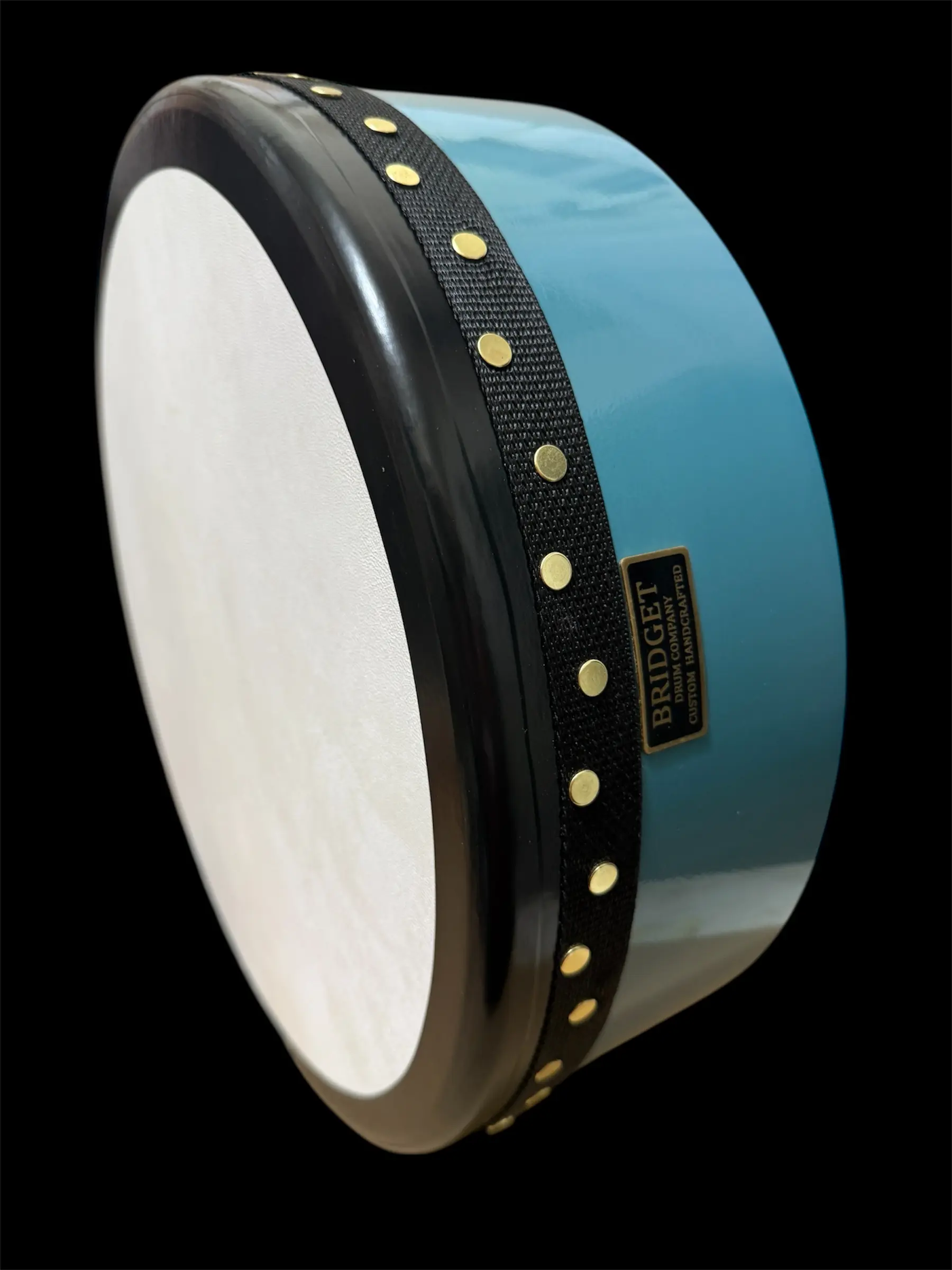
If the bodhrán is the heartbeat of Irish traditional music, the bodhrán tippers are the pulse that brings it to life. While the drum itself provides the tonal foundation, the tipper (also called a beater or cipín) determines articulation, speed, texture, and rhythmic character.
Choosing the right tipper is not a minor detail. It fundamentally shapes your sound, technique, and musical expression. Whether you’re new to the Bodhrán or refining your playing style, understanding the different types of bodhrán tippers will help you make informed, intentional decisions.
This guide breaks down tipper anatomy, common styles, materials, and practical advice on how to use them effectively.
What Is a Bodhrán Tipper?
A bodhrán tipper is a small wooden stick used to strike the drumhead. Unlike standard drumsticks, tippers are typically symmetrical and double-ended, allowing rapid back-and-forth strokes using wrist rotation rather than arm movement.
Traditional Irish music relies heavily on subtle rhythmic nuance. The tipper enables players to create fast triplets, rolling textures, sharp accents, and dynamic variations that complement fiddles, flutes, and pipes in a session.
Anatomy of a Bodhrán Tipper
Although designs vary, most bodhrán tippers share three basic components:
- Shaft (Handle) – The central grip area.
- Ends (Beaters) – The striking surfaces.
- Shoulders – The transition points between handle and ends.
Small variations in thickness, taper, weight distribution, and length dramatically affect how the tipper feels and sounds.
Key variables include:
Length: Typically 8–10 inches.
Diameter: Ranges from slim and agile to thick and powerful.
Balance: Evenly weighted vs. end-heavy.
Surface finish: Smooth for speed, textured for grip.
Main Types of Bodhrán Tippers
-
Double-Ended Tippers (Standard Style)
This is the most common design. Both ends are shaped and used for striking, allowing alternating strokes with wrist rotation.
Best for:
- Fast reels and jigs
- Continuous rolling patterns
- Modern session playing
The symmetrical structure supports efficiency and speed. Most contemporary players start here.
One end is shaped for striking; the other functions more as a handle.
Best for:
- Players transitioning from drum kit
- Slower, more deliberate rhythms
- Controlled articulation
These can offer slightly more precision but less fluidity in rapid passages.
These resemble bundled dowels or rods rather than solid wood.
Best for:
- Softer dynamics
- Accompaniment in quieter sessions
- Studio recording contexts
They produce a lighter, more diffuse tone, reducing attack and emphasizing texture.
-
Heavy Power Tippers
Thicker, denser wood with substantial weight.
Best for:
- Large sessions
- Outdoor performances
- Strong rhythmic drive
These create a deeper, louder attack but require more wrist control to avoid fatigue.
-
Slim Speed Tippers
Thin, lightweight designs optimized for agility.
Best for:
- Fast reels
- Intricate ornamentation
- Advanced players
They allow rapid triplets and subtle ghost notes but may lack low-end power.
Materials Used in Bodhrán Tippers
The wood selection affects tone, weight, and durability. Common materials include:
Hickory: Dense, durable, and balanced.
Ash: Lightweight with excellent rebound.
Maple: Smooth, controlled, slightly softer attack.
Exotic hardwoods: Offer unique tonal characteristics and aesthetic appeal.
Heavier woods produce more pronounced attack and volume. Lighter woods emphasize speed and finesse.
How Grip Influences Sound
Technique is inseparable from tipper design. The most widely used modern grip involves holding the tipper loosely between the thumb and first two fingers, allowing rotational motion from the wrist.
Traditional Grip (Overhand Rotation)
- Wrist-driven
- Alternating strokes
- Fluid roll capability
Controlled Grip (Pinch Grip)
- More finger control
- Greater articulation
- Reduced rebound
Experimentation is critical. A tipper that feels unbalanced in one grip may feel perfect in another.
Matching Tippers to Musical Styles
Different Irish tune forms demand different rhythmic textures.
Reels
- Fast 4/4 time
- Benefit from slim or balanced double-ended tippers
- Focus on steady rolling pulse
Jigs
- 6/8 rhythm
- Require lift and bounce
- Medium-weight tippers work well
Hornpipes
- Swung feel
- Controlled accents
- Slightly heavier tippers enhance phrasing
The right tipper supports, not dominates, the melody.
How to Choose the Right Bodhrán Tipper
When selecting bodhrán tippers, consider the following criteria:
-
Skill Level
Beginners benefit from medium-weight, balanced double-ended tippers. Extreme designs (too heavy or too thin) can make learning proper wrist motion harder.
-
Session Environment
Small acoustic session → lighter tipper
Amplified or crowded setting → heavier tipper
-
Personal Playing Style
Are you rhythm-focused and driving? Or subtle and texture-oriented? Your tipper should reinforce your natural tendencies.
-
Drum Setup
A deep-shell bodhrán with a thick goatskin head responds differently than a thinner, highly tuned drum. Test combinations whenever possible.
How to Use a Bodhrán Tipper Effectively
A tipper is only as expressive as the player’s technique. Focus on these fundamentals:
- Wrist Rotation Over Arm Movement: The motion should be compact and efficient. Excess arm movement reduces speed and control.
- Dynamic Awareness: Vary pressure and stroke height to shape phrases. Irish traditional music breathes; your rhythm should too.
- Muting with the Back Hand: Inside the drum, your non-striking hand controls pitch and resonance. The interaction between tipper attack and skin tension creates tonal variation.
- Practice Slow First: Speed develops from control. Begin with steady quarter notes before building into triplets and rolls.
Owning Multiple Tippers
Many experienced players carry several bodhrán tippers to sessions. This isn’t excessive, it’s practical.
Different rooms, humidity levels, and tune types all affect tone. Having options allows you to adapt quickly without altering your core technique.
Common Mistakes When Choosing Tippers
- Choosing the heaviest tipper for volume alone
- Ignoring balance and rebound
- Overlooking grip comfort
- Buying based purely on appearance
- Function must come before aesthetics
The Relationship Between Tipper and Drum
Your tipper and bodhrán form a system. A handcrafted drum, especially one tuned for responsiveness, deserves a tipper that complements its tonal character.
The Bodhrán is not a static instrument; it responds dynamically to touch. A refined tipper allows you to explore that responsiveness fully.
Final Thoughts
Bodhrán tippers may appear simple, but they are precision tools that define your sound, speed, and expressive range. The difference between an average session player and a compelling accompanist often lies in control; control that begins with the right tipper.
If you are serious about developing your bodhrán technique, experiment thoughtfully. Try different weights, shapes, and woods. Pay attention to balance and rebound. Refine your grip and wrist motion.
Ultimately, the best bodhrán tippers are the ones that disappear in your hand, leaving only rhythm, tone, and musical connection behind.