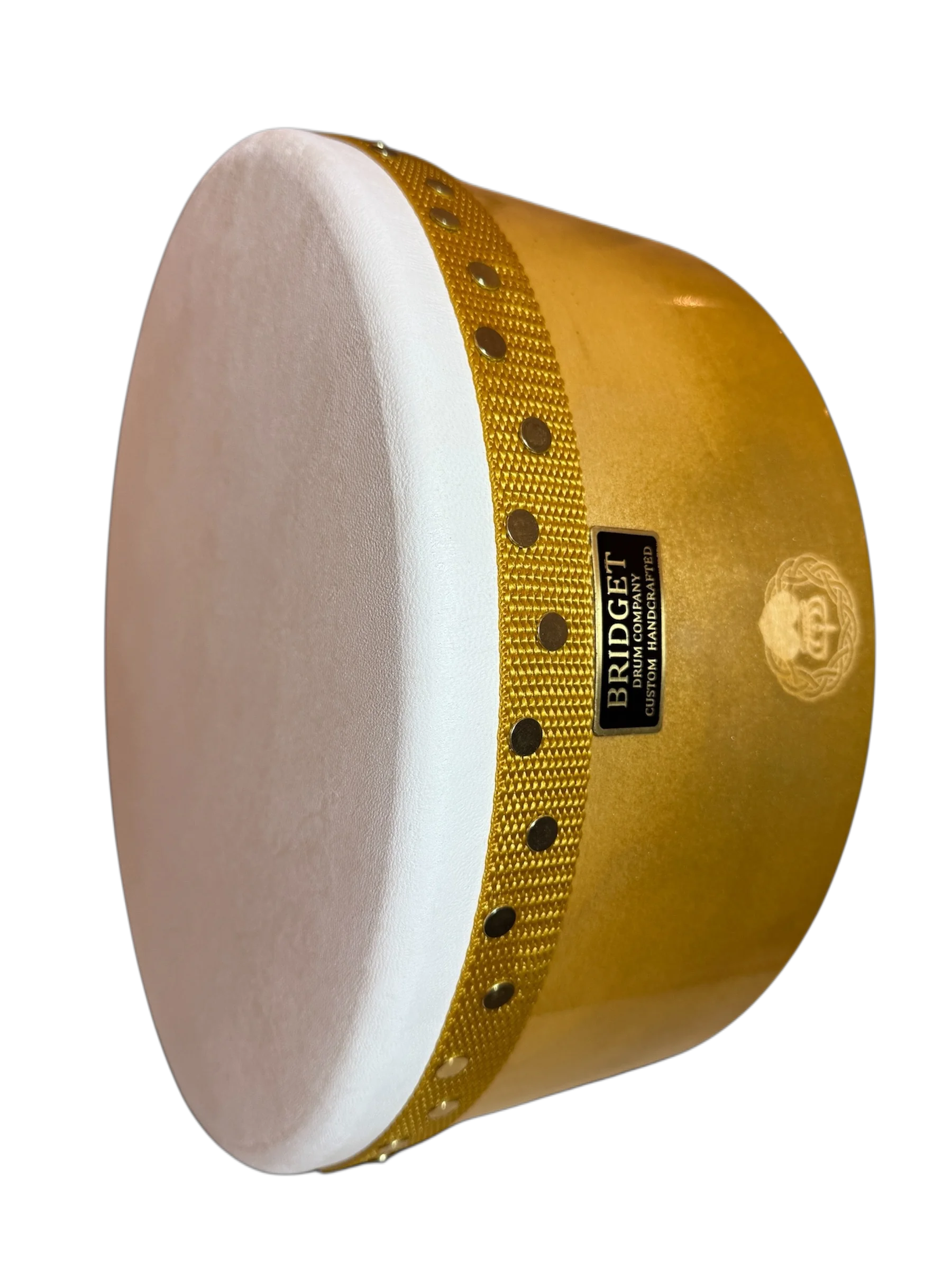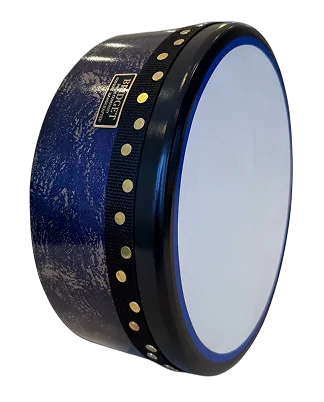
We understand how it can be overwhelming to purchase a bodhrán drum, especially with the unlimited options available online. Moreover, it can be highly overwhelming for seasoned musicians searching for a professional bodhran; the whole process can be very confusing and intimidating, too.
We create a guide that is specially designed to help you understand what defines a high-quality bodhrán drum, just as importantly, what it should NOT include. Knowing the difference allows you to make a confident, informed decision and avoid common mistakes.
A little about the maker: I am Russell Duke, a drum builder who has crafted thousands of handmade instruments over the years. My journey began when I purchased my first bodhrán, an instrument that failed to meet even basic expectations. With limited knowledge at the time, I turned to experienced bodhrán players to learn what truly matters in a professional instrument. Using that insight, I built my own drum, incorporating the features musicians consistently looked for, and from that experience, this bodhrán company was born.
More than twenty years later, we continue to build handcrafted bodhrán drums for players around the world. In the sections ahead, I’ll explain the design choices and features we use in our drums, and why they matter. My hope is to remove the stress and uncertainty from the buying process and help you choose with confidence.
I firmly believe it’s possible to buy your last bodhrán first.
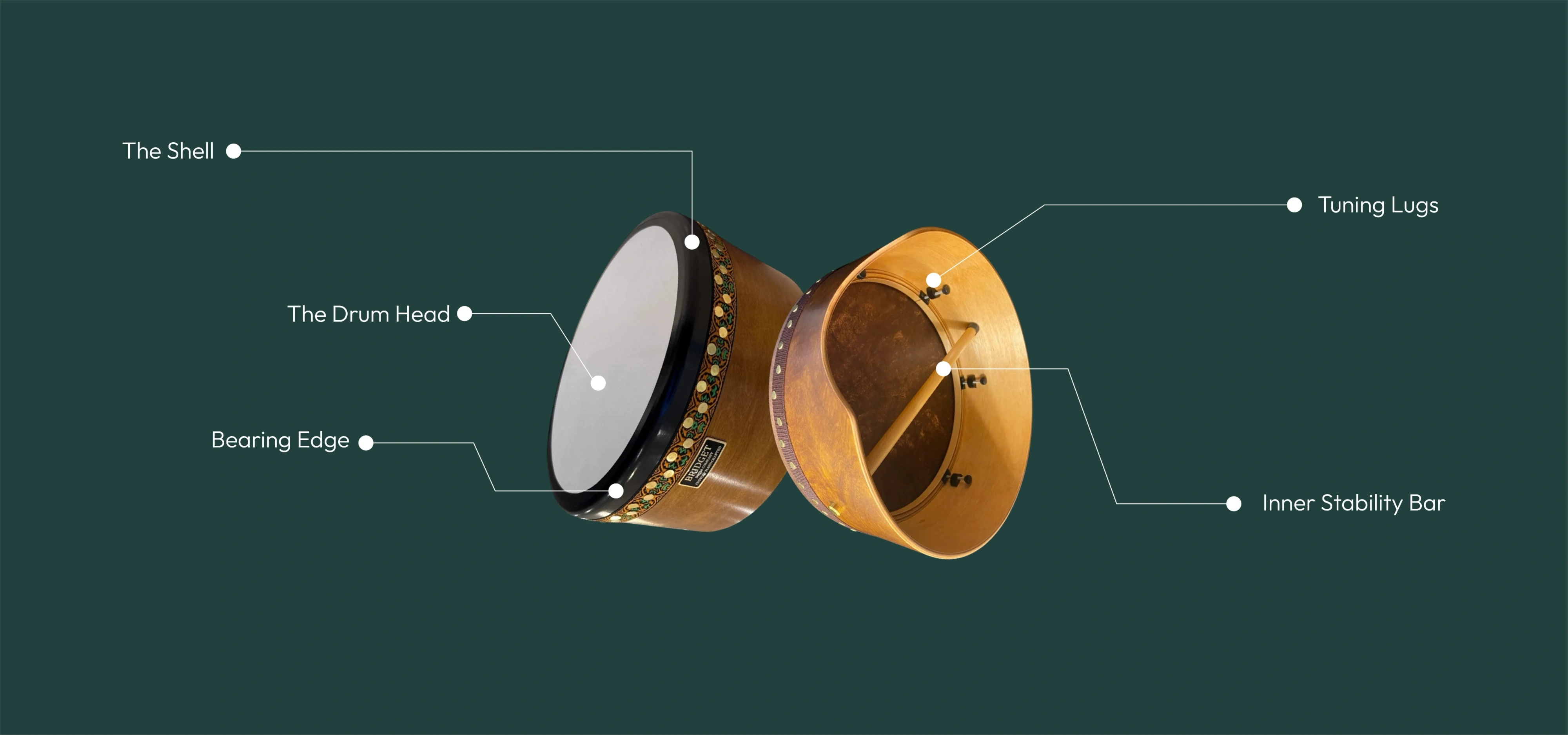
When evaluating a bodhrán for sale, the shell is one of the most important elements to consider. Several construction methods are commonly used, but not all are suitable for a high-quality hand drum instrument.
A steam-bent shell, made from one or two plies joined with a scarf joint, is generally a poor option for a bodhrán. Over time, the wood naturally wants to return to its original shape, which increases the risk of warping. The scarf joint itself is also a weak point and can fail under tension or changes in humidity.
Stave shells are constructed from multiple blocks of wood glued together. While this method works well for heavier drums such as snare drums or congas, stave shells tend to be thick and heavy, making them an unsuitable choice for a responsive bodhrán hand drum instrument.
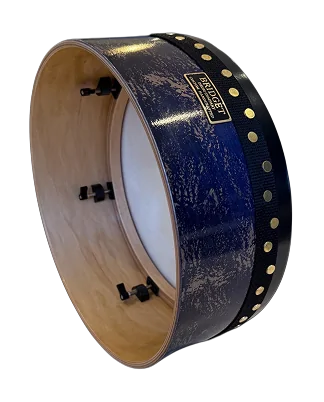
A veneered shell is widely regarded as the best option for a bodhrán. This construction method offers excellent strength, stability, and consistency, with minimal risk of warping. For optimal performance, the wood grain should be layered in opposing directions; otherwise, the shell may still be prone to movement over time.
Shells can be made from hardwood, exotic wood, or softwood. Hardwood is the preferred choice due to its strength, durability, and tonal balance. Exotic hardwoods offer striking visual appeal but come at a higher cost. Softwoods, while less expensive, are weaker and more susceptible to dents and damage. Birch and maple remain the most cost-effective hardwood options, offering excellent strength and reliability. For players seeking a premium look without the added expense, a single exotic veneer is an excellent alternative.
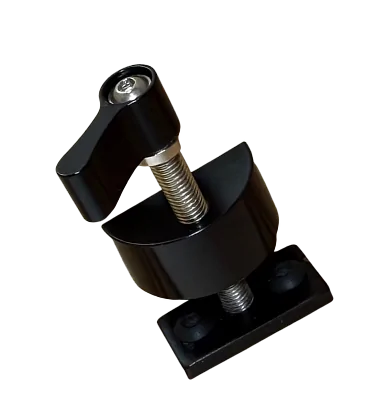
We offer a variety of bodhrán drums, available with tuning mechanisms, made from different materials. Wood is often used, but it is a poor choice for tuning systems. The best option is metal, specifically aircraft-grade aluminum, which is exceptionally strong, lightweight, and stable. This is the material we use in our drums.
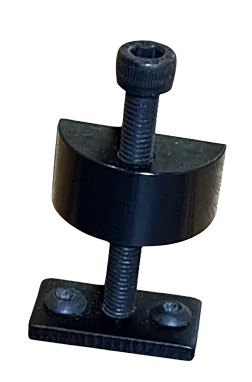
Tuning lugs should always be rounded, with no sharp edges. The most common systems are thumb tuners and Allen-key tuners. We use CAM tuners, which are unique to Bridget Bodhráns and offer far greater precision and reliability. The dog screws that press against the inner tuning ring should never push directly into the wood, as they will quickly wear through it. Instead, they should rest against a flat metal plate. Be aware that some builders use local currency for these plates, an illegal practice that could create problems. While some makers paint their tuning lugs, we use powder coating, which is significantly more durable and long-lasting.
When it comes to drum heads, you have two main options: natural or chemically treated goat skin.
Natural goat skin heads are stiffer and require a long break-in period, gradually developing a warmer, richer tone over time. Chemically treated skins, on the other hand, are generally superior; they are softer, produce a warmer sound right away, are more resistant to humidity, and are less prone to tearing. We offer both options on our bodhran drums, so you can choose the one that best suits your playing style.
There are usually several options when it comes to inner stability bars, such as a straight bar or no bar at all.
I personally prefer a straight bar that is round and no more than ¾” thick. There tends to be a standard distance between the bar and the head, so as not to impede the player’s hand.
The two most popular bearing edges (where the drum head meets the shell) are a chamfer and a rounded edge.
A chamfer edge tends to be sharper and could cut the head. The rounded edge is much safer on the head and tends to make the drum warmer in sound (which we use on our drums).
There are many options of handmade drums when it comes to drums, but 14” diameter and up to 20” diameter tend to be the most popular. The bigger the drum, the bigger the sound. There are also depth options, and I have found that anything deeper than 6” is a waste of your hard-earned money.
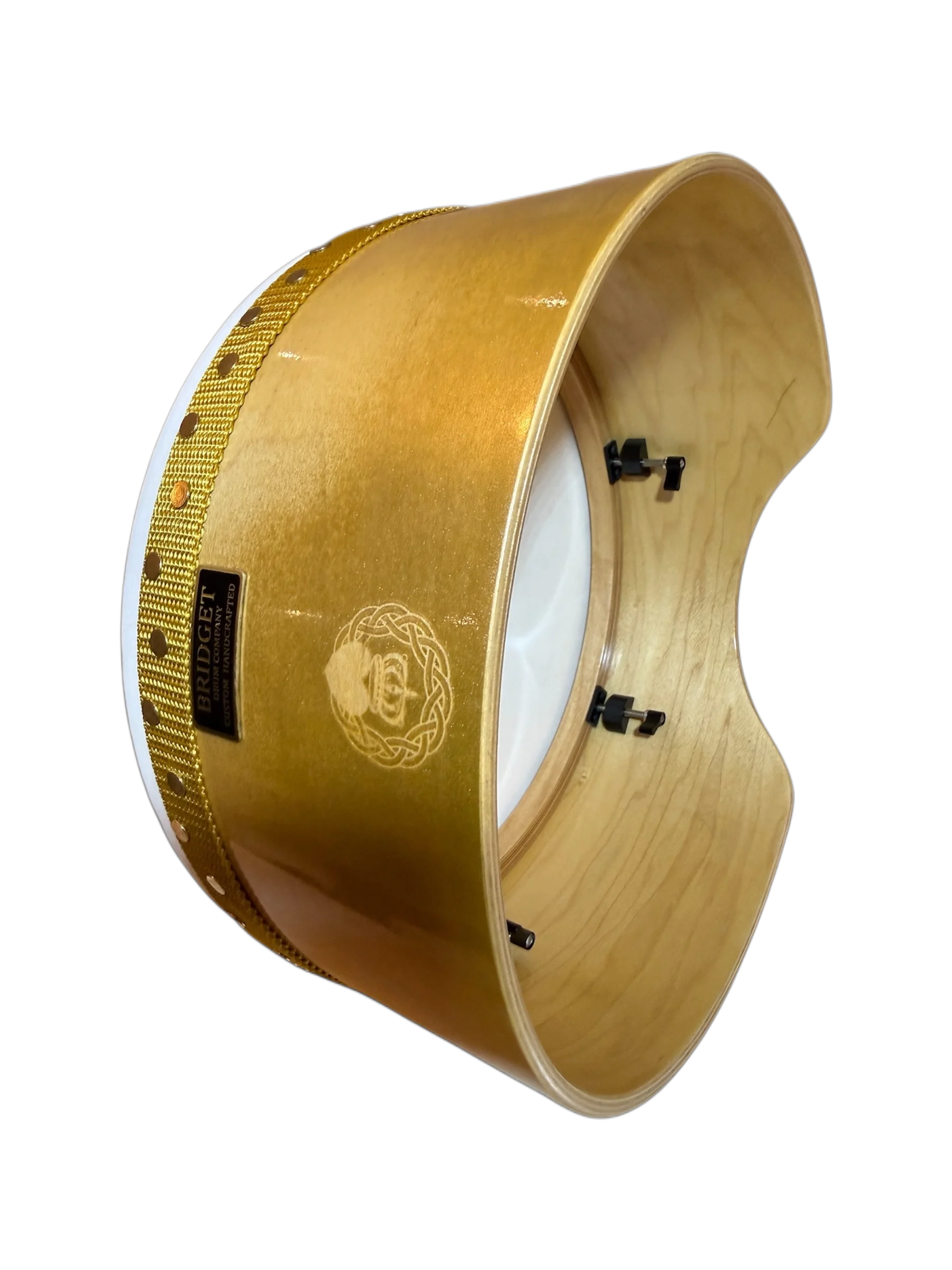
If you want that big sound and are smaller in stature, or you have a shorter arm span, you have the option of an arm cut out from the shell. This allows you to get a larger size drum without compromising comfort.
When it comes to purchasing a bodhran for sale, there are many options at different price points, but remember, you truly get what you pay for. Avoid mass-produced, low-quality bodhran drums that sound better in the box than in your hands. Steer clear of drums with logo paintings on the head; these are often decorative pieces meant to hang on a wall next to your Irish whisky, not for serious playing.
A skilled builder should craft a hand drum instrument to suit your individual needs. After all, would you rather wear a tailored outfit made for someone else, or one made just for you? The same principle applies to a traditional Irish frame drum; it should fit you perfectly.
Whether you’re searching for a professional bodhran, a bodhran Ireland musician would be proud of, or simply a quality Irish drum bodhran, investing in craftsmanship makes all the difference.
We hope this guide helps you choose the right drum. If you have any questions, don’t hesitate to contact us; after all, “We Build The Art Of Bodhrans.”
Canadian Currency (plus Shipping)
All drums are now available without a straight bar.
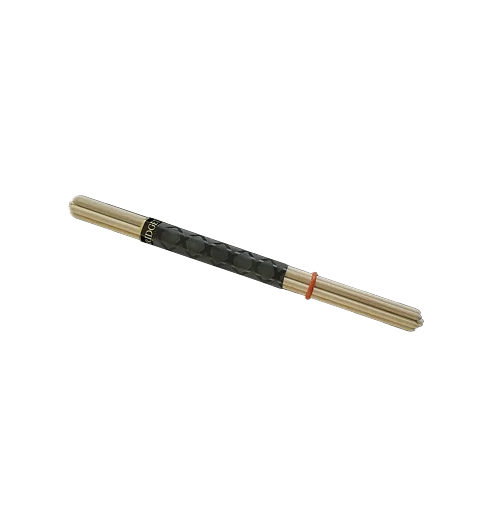
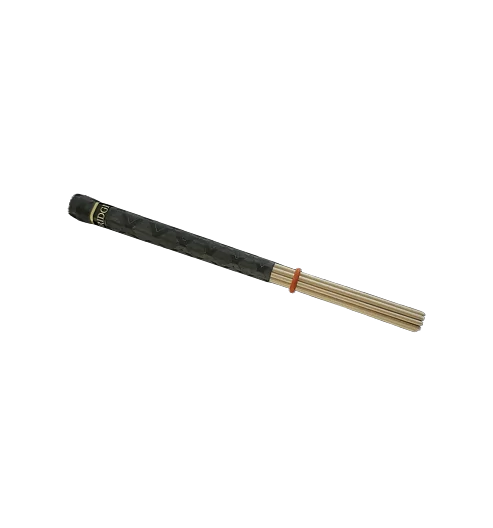
Each rod on our rod bodhran tippers are individually rounded then assembled. This helps prevent the tipper from having sharp edges, potentially cutting the head.
Three rod tipper set for $ $80.00 or $30.00 each