
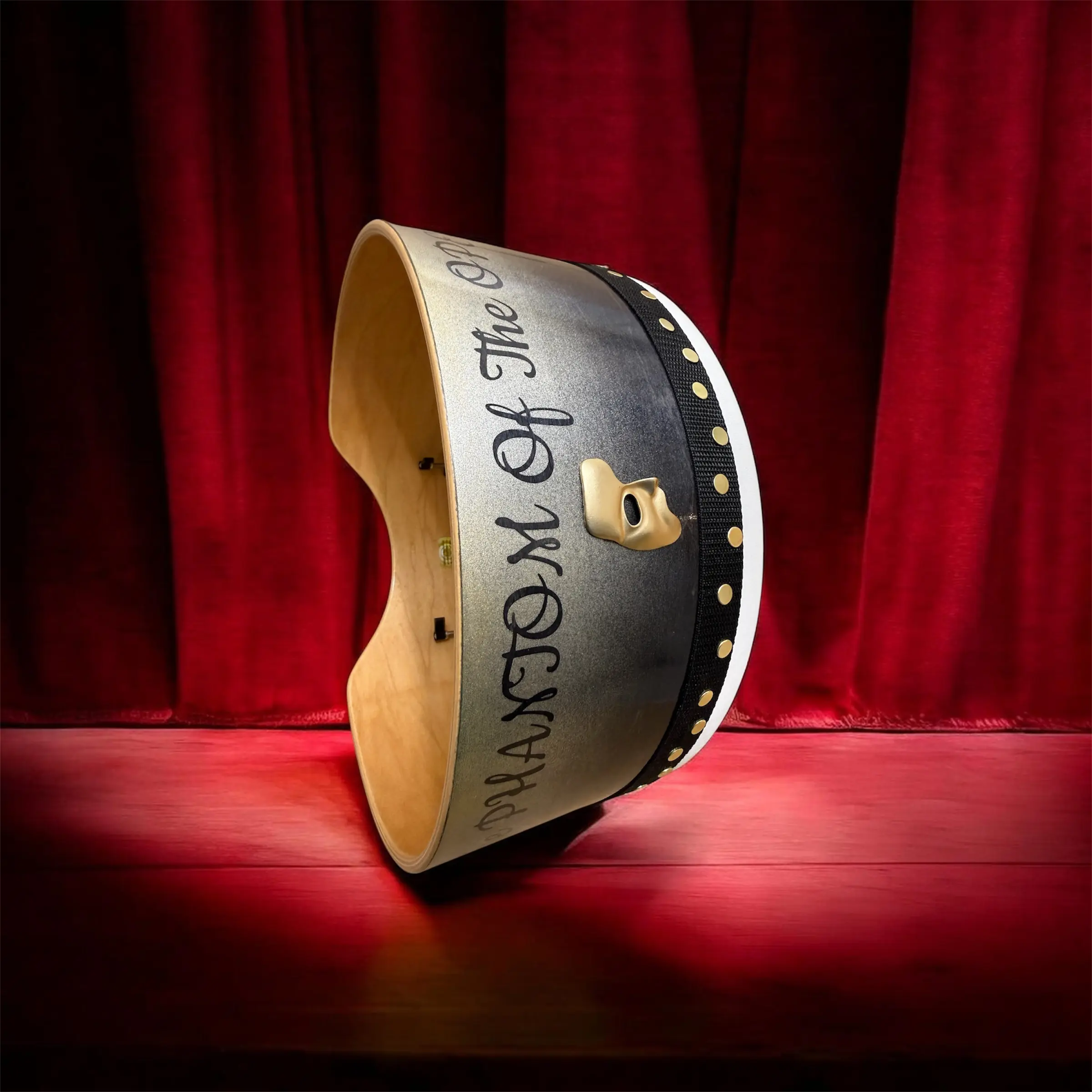
If you are searching for a bodhran drum USA, you are likely discovering one of Ireland’s most powerful and expressive percussion instruments. The bodhrán (pronounced bow-rawn) may look simple, but choosing the right one can make a big difference in how it sounds and feels in your hands.
Whether you are in Canada or the United States, this guide will help you understand what to look for before buying your Irish drum. We’ll keep it clear, practical, and easy to follow.
What Is a Bodhrán Drum?
The bodhrán is a traditional Irish frame drum. It is most often used in Irish folk and Celtic music, but today it is also heard in modern folk, fusion, and even film scores. Bands like The Chieftains and Planxty helped bring the bodhrán to international audiences.
The drum is round, usually between 14 and 18 inches in diameter. One side is covered with animal skin (often goatskin), and the other side is open so the player can control the tone with their hand inside the drum. It is played with a small wooden stick called a tipper.
Even though it looks simple, the bodhrán is very responsive. A good drum allows you to create deep bass tones, sharp accents, and smooth rhythmic patterns.
Why Buying the Right Bodhran Drum USA Matters
If you are buying from the bodhran drum USA market, you have many options. However, not all bodhráns are made with the same care or quality.
A poorly made drum can:
- Sound flat or dull
- Be difficult to tune
- Feel uncomfortable to hold
- Warp or loosen over time
A well-made bodhrán, on the other hand, will:
- Produce clear, rich tones
- Stay stable in different weather conditions
- Feel balanced and comfortable
- Improve as you develop your skills
Because Canada and the USA have very different climates depending on the region, quality construction and proper tuning systems are especially important.
Understanding Drum Size
One of the first decisions you will make is the size of the drum. Most adult players choose a bodhrán between 14” and 16”. Here is a simple way to think about it:
- A smaller drum (14”) usually has a tighter, higher-pitched sound. It is lighter and easier to handle, which can be good for beginners or younger players.
- A larger drum (16”–18”) produces deeper bass tones and a fuller sound. It is often preferred by experienced players or those playing in larger music sessions.
If you are just starting out, a 14” or 16” drum is usually a safe and versatile choice.
Skin Type: Why It Matters
The drumhead is one of the most important parts of the bodhrán.
Traditional bodhráns use natural goatskin. Goatskin is popular because it creates warm, rich, and dynamic tones. Each natural skin is unique, which gives every drum its own character. However, natural skin reacts to humidity. In very dry areas, the skin may tighten. In humid climates, it may loosen. That is why many players in the bodhran drum USA market prefer tunable bodhráns.
Some drums use synthetic heads. These are more stable in changing weather, but many traditional players feel they do not offer the same warmth and tonal depth as real goatskin. If you want an authentic Irish sound, natural goatskin with a good tuning system is usually the best option.
Fixed vs Tunable Bodhrán
In the past, many bodhráns were fixed, meaning you could not adjust the skin tension. Today, most quality drums are tunable.
A tunable bodhrán has bolts inside the frame that allow you to tighten or loosen the skin. This helps you adjust the pitch and respond to climate changes.
For players in Canada and the USA, where temperatures and humidity can change drastically between seasons, a tunable drum is highly recommended. It gives you control and protects your investment.
Unless you are buying a decorative or very traditional piece, a tunable bodhrán is the smarter choice.
Inside the Drum: Crossbars or Open Back?
When you look at the back of a bodhrán, you may see wooden crossbars. These were traditionally added for support and grip.
However, many modern players prefer an open-back design without crossbars. An open-back drum allows easier hand movement inside the drum. This makes tone control smoother and more flexible.
If you plan to play actively and explore different techniques, an open-back bodhrán often feels more comfortable.
If you prefer a firm grip or are just beginning, crossbars can offer extra support.
Choosing the Right Depth
- The depth of the drum (the width of the wooden frame) also affects sound and comfort.
- A deeper frame produces a stronger bass sound. It can feel powerful in group sessions.
- A shallower frame feels lighter and may be easier for beginners to handle.
- Most players find that a medium depth offers the best balance between sound and comfort.
Craftsmanship and Wood Quality
Not all bodhráns are built the same. The quality of the wood frame, the smoothness of the edges, and the way the skin is mounted all affect the final sound.
Look for:
- Smooth finishing with no sharp edges
- Even skin tension
- Solid tuning hardware
- Strong but lightweight wood
Handcrafted bodhráns often provide better balance and tone compared to mass-produced drums.
If you are investing in a bodhran drum USA purchase for serious playing, quality craftsmanship is worth it.
Sound Style: What Are You Looking For?
Different players want different sounds. Some players prefer a deep, booming bass that drives the rhythm of Irish dance tunes. Others want a crisp, sharp attack that cuts through fiddles and flutes. Listening to traditional groups like Altan can help you understand how the bodhrán blends in a session setting. Pay attention to whether you like a softer background rhythm or a more powerful, leading pulse. Your personal taste should guide your choice.
Beginner vs Experienced Player
If you are new to the bodhrán, keep your first drum simple and versatile. A 14” or 16” tunable goatskin drum with a medium depth is ideal.
If you are an experienced player, you may look for:
- Thinner skin for faster response
- A deeper shell for stronger bass
- A custom-built instrument
As your technique improves, you will notice small differences in tone and feel that matter more over time.
Budget Considerations
- Prices for a bodhran drum USA can vary widely.
- Entry-level drums are affordable and good for learning. However, extremely cheap drums may lack proper tuning systems and high-quality skin.
- Mid-range drums often offer the best balance between quality and price. These usually include tunable systems and good natural skins.
- Professional-level bodhráns are handcrafted and carefully balanced. They cost more but provide excellent tone and durability.
If possible, invest in the best quality you can reasonably afford. A good bodhrán can last for many years.
Climate and Storage Tips
Since many buyers are in Canada or the USA, climate awareness is important.
Avoid leaving your drum in:
- Direct sunlight
- Very dry heating vents
- Damp basements
- Extremely cold cars
Use a drum bag for protection. If the skin becomes too tight or too loose, adjust the tuning system gradually.
Proper care keeps your drum sounding strong and balanced.
Final Thoughts: Choosing with Confidence
Buying a bodhran drum in the USA does not have to be confusing.
Focus on the basics:
- Choose the right size for comfort.
- Pick natural goatskin for authentic tone.
- Select a tunable model for climate control.
- Pay attention to craftsmanship.
Most importantly, choose a drum that feels good in your hands and inspires you to play.
The bodhrán is more than just a drum. It is the heartbeat of Irish music. When you choose the right one, you are not just buying an instrument; you are becoming part of a living musical tradition.
Take your time, understand your needs, and select a drum that will grow
with you.